
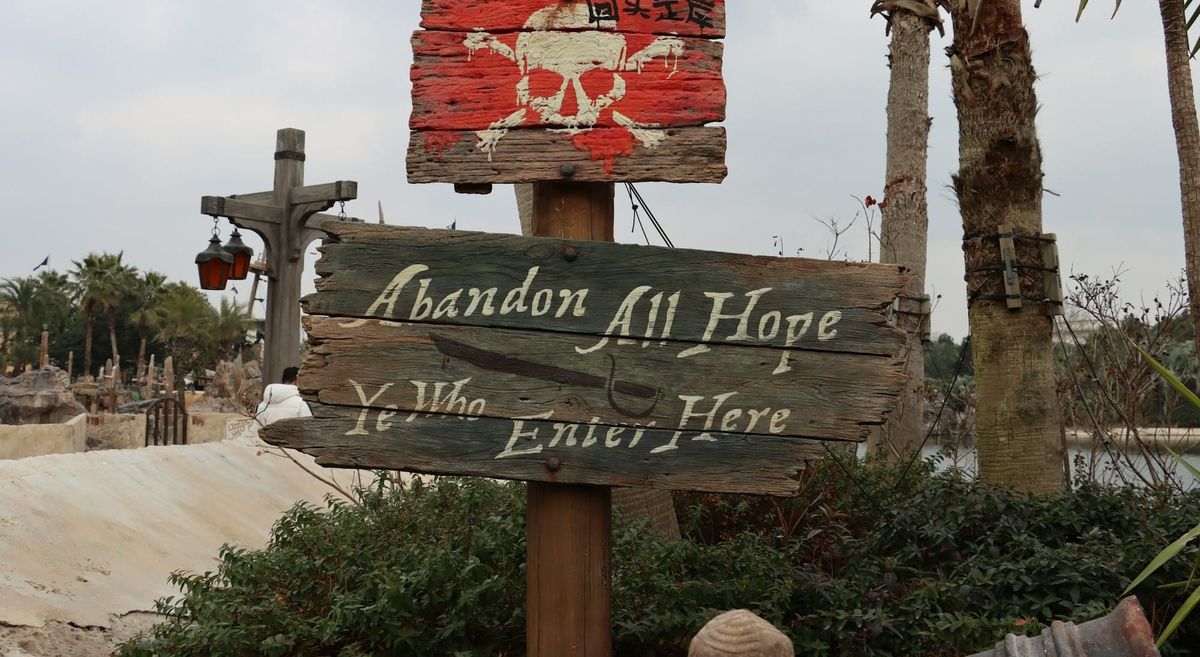
Arrrrgggghhh, Pirates!
Coastal raids. Stolen ships. Men and women dragged off and sold, or held until their families could scrape together enough to buy them back. This isn't a pirate movie — it's medieval Spain, and one merchant decided to do something about it. A reflection on Isaiah 61:1-3.
Isaiah 61:1-3
Phrases that spoke to me today:
• He has sent me to bring good news to the afflicted
• To proclaim liberty to the captives, release to the prisoners
• a glorious mantle instead of a faint spirit
Applying the Word to My Life:
The first time Peter Nolasco paid to free a captive, I doubt he thought he was starting a religious order. He was a merchant in Barcelona, which meant he knew how money moved. He knew what things cost, how to negotiate, and how quickly a number on a page could become very real when somebody was standing in front of you waiting for an answer.
In his world, people could simply disappear. A raid along the coast could end with men and women dragged onto ships and carried across the Mediterranean. Some were sold. Others were held until their families could find enough money to buy them back. Somewhere, a wife might know her husband was still alive but have no way to reach him. A mother might know her son was being held across the sea and spend months wondering whether anyone was going to bring him home.
Peter had money, so he used it. He began paying ransoms, and one person came home, then another, then another. I can imagine how that changes the way a man looks at money. Once you've watched coins become somebody's freedom, it probably gets harder to spend them without thinking about what else they could do.
Peter eventually gave away most of what he had, but the problem didn't get smaller just because his resources did. There were still captives. At some point, he had to face the ugly math of mercy: there were more people to free than there was money to free them.
That's where most good intentions reach their limit. We help until helping becomes inconvenient, expensive, or frightening, and then we explain to ourselves that we did what we could. Peter kept going.
Tradition says Mary later appeared to him and told him that this work needed to become more than one man spending down an inheritance. Peter gathered others around him, and the Order of Our Lady of Mercy began to take shape in Barcelona. These men would collect ransom money and carry it into dangerous places. They would sit across from the men holding prisoners and negotiate a price. When an agreement was reached, somebody who had been living as a captive could finally walk away.
But sometimes there wasn't enough money. The Mercedarians eventually made a promise for that moment. Along with poverty, chastity, and obedience, they took a fourth vow: if necessary, they would give up their own freedom in place of a captive whose faith was in danger.
That meant a friar could travel across the sea hoping to bring someone home and discover that the money wasn't enough. Then the question became very simple and very hard: does he leave the captive behind, or does he stay? The Mercedarian answer was that he could stay and let the other man go.
That's a very different way to think about mercy.
Isaiah says that the anointed one is sent "to bring good news to the afflicted, to bind up the brokenhearted, to proclaim liberty to the captives, release to the prisoners." Centuries later, Jesus stood in the synagogue at Nazareth, read those words aloud, and said they were being fulfilled in Him.
Peter Nolasco seems to have understood something about that kind of freedom. Freedom always sounds beautiful from outside the prison. It looks different when somebody has to pay for it.
That's what Jesus did for us. He didn't stand at a distance and tell us that captivity was unfortunate. He stepped into it and took the cost onto Himself. The Mercedarians tried to live that same pattern as literally as they knew how. They went looking for people who couldn't free themselves and asked what it would take to bring them home.
Christian mercy doesn't merely point toward the open door. Sometimes it pays the price required to get someone through it.
Most of us will never cross the Mediterranean carrying ransom money, but we know people who are trapped in other ways. Someone is worn down by grief. Someone is lonely. Someone is sick. Someone has made a mess of things and doesn't know how to climb back out. It's easy to feel sorry for them. It's harder when helping costs us something.
Mercy starts becoming real when it takes our time, changes our plans, reaches into our wallet, or asks us to carry part of a burden that wasn't originally ours. Jesus didn't come merely to announce that freedom existed. He came to make freedom possible.
If we're going to follow Him, sooner or later that kind of mercy is going to cost us too.
My Response for Today:
Today I'll take one burden off someone else, even if it costs me something.
ABOUT OUR LADY OF RANSOM
- Title: Our Lady of Ransom (Our Lady of Mercy)
- Origin: Devotion traced to a vision of Mary to St. Peter Nolasco in Barcelona, leading to the founding of the Mercedarians (Order of Our Lady of Mercy) for the ransom of Christian captives
- Feast Day: September 24 (commemorates the order's founding)
- Patron of: Barcelona
- Read more: Catholic Encyclopedia (New Advent)