
CSI: Jerusalem
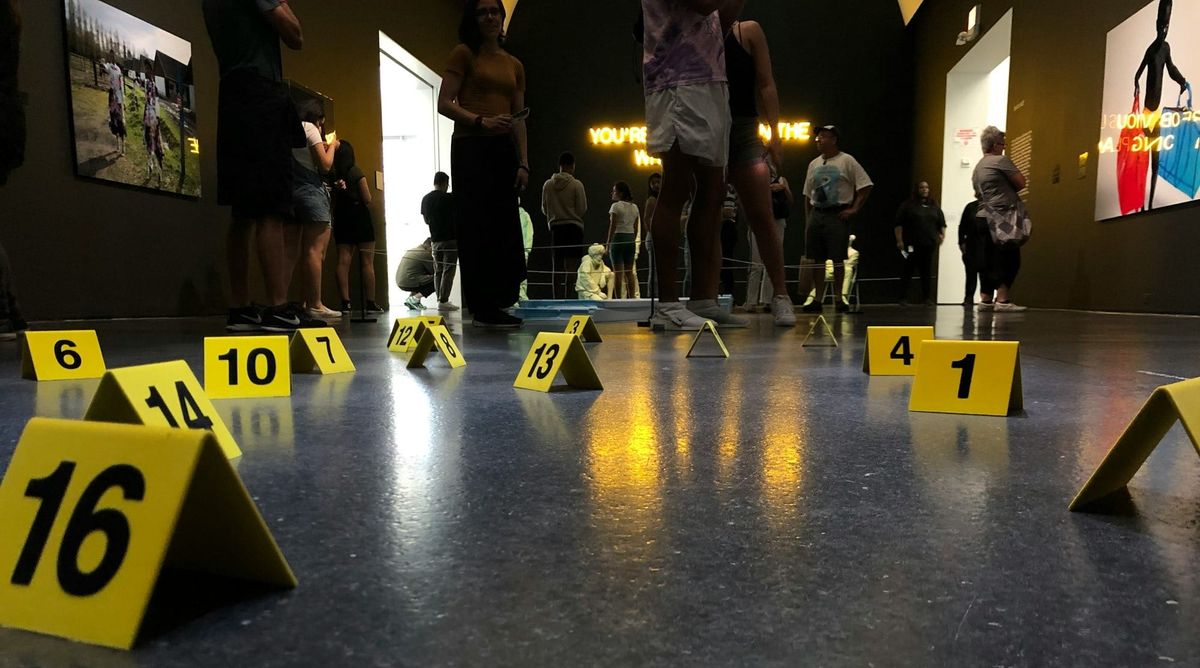
We cut to a scene in a cave. Grissom crouches at the tomb, turns the folded face cloth over in his hands. 'Grave robbers don't fold,' he says. Cut to titles — CSI: Jerusalem. We're still no closer to understanding what happened. A reflection on John 20:1–10.
John 20:1-10
Phrases that spoke to me today:
• the stone had been taken away from the tomb
• folded up in a place by itself
• he saw and believed
• they did not understand the Scripture, that he must rise from the dead
Applying the Word to My Life:
I've always been the kind of person who wants to sit with a problem until I've got it figured out. That's often useful — it helps me do my job. But it has a cost too: sometimes I spend so much time working through something that I run out of time to actually do anything with it.
If I'd been the one running to the tomb that morning instead of John, I have a pretty good idea what I would've done. I would've gone full crime scene on it — checking the linen cloths for signs of tampering, studying the seal they used for the rock at the entrance, working out a timeline, treating the whole thing like a case to be built. And I still would've walked away with no better understanding than John. All that effort wouldn't have gotten me one step closer. It turns out some things can't be discovered — they have to be revealed, in God's own time, not ours.
That's actually what the story shows: there are clues, but they don't help John and Peter understand. They see the linen cloths lying there, but the cloth that had been over Jesus's face wasn't lying with the other wrappings — it was folded up, by itself, separate. Grave robbers don't stop to fold things. Whatever happened here, it wasn't theft. And it's exactly there, absorbing that detail, that something shifts in John — he believed.
But they still didn't understand the Scripture that said He had to rise from the dead. Those two things — believing and understanding — didn't arrive together, and Scripture doesn't apologize for the gap or rush to close it.
From there they just returned to ordinary life, carrying something true they couldn't yet explain. I used to read that as a letdown — surely if they really believed, they would've done more. Now I think it's the more honest response. There was nothing more digging would've turned up. The only thing left to do with what they'd been given was to carry it and keep living, and trust the rest would come from somewhere they couldn't manufacture on their own.
In most of our lives there is a temptation to keep pursuing until we get to the bottom of it and understand. Faith rarely works that way. If we spend all our time trying to discover the answers, the space for living our mission gets crowded out. We might even miss the revelation that comes with it.
My Response for Today:
I will find one place in my faith life where I have been searching for understanding and will surrender it to belief instead.