
Full of Thirst
If the words won't come, or the words feel empty — that does not mean prayer has failed. A reflection on Psalm 63 and what it means when the thirst itself is the prayer.
Psalm 63
Phrases that spoke to me today:
• O God, you are my God, for you I long; for you my soul is thirsting
• my body pines for you like a dry, weary land without water
• your love is better than life
• my soul clings to you; your right hand holds me fast
Applying the Word to My Life:
Most of us learn to think of prayer as something that needs specific words following a certain formula. And if we can't find the words, or if the words feel empty, we assume something has gone wrong. We are not doing prayer correctly.
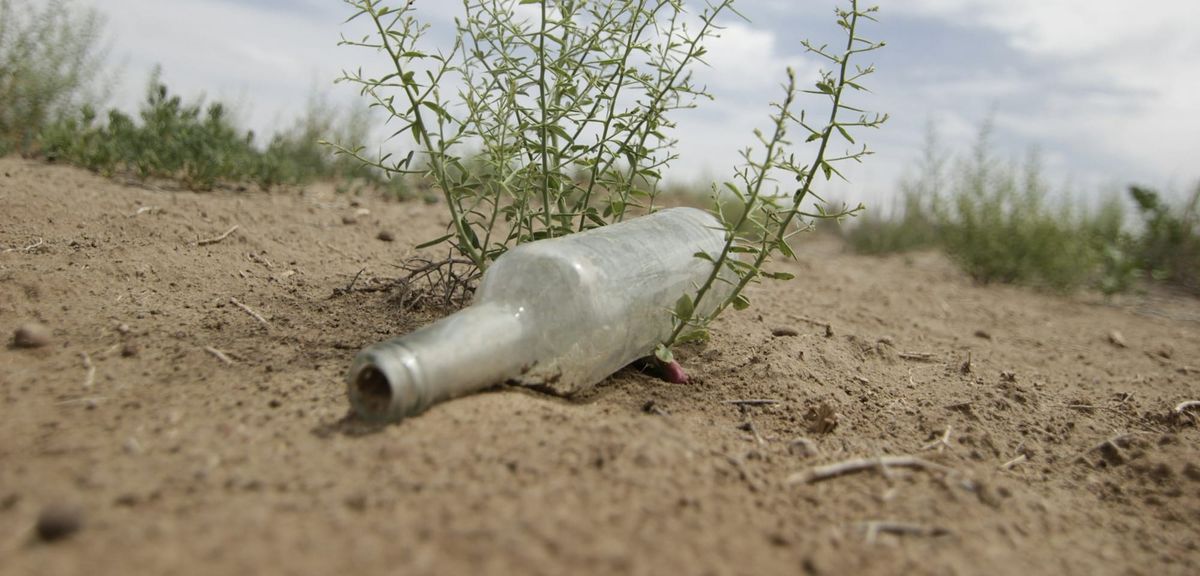
David is in a desert. The heading of this psalm says so — he is in the wilderness of Judah, dry land in every direction. And what he does is not recite a formula. He describes what is happening inside him. O God, you are my God, for you I long; for you my soul is thirsting. My body pines for you like a dry, weary land without water. He names the thirst. He holds it up. That is the whole beginning of this prayer.
There is a reason the psalms have been the prayer book of the Church for thousands of years. When we cannot find our own words — when we are too tired, too distracted, too empty to compose something — we can pick up someone else's honest words and inhabit them. David's thirst becomes ours. We do not have to manufacture a feeling or construct an argument. We just have to be present inside words that someone has already prayed from the inside out. That is not a lesser form of prayer. That is one of prayer's great gifts.
But here is the thing that changes everything about how we understand prayer. God is perfect. Perfection is by definition complete — it lacks nothing and cannot be improved. If something perfect were to change, it would either become more perfect, which means it wasn't perfect before, or it would become less perfect, which means it has declined. Either way, a changed perfection is no longer perfect. God cannot change. He is already everything He will ever be.
So the purpose of prayer is not to change God. He does not need to be persuaded, informed, or moved. Prayer doesn't rearrange God. It rearranges us. We come to prayer thirsting for something — often without knowing quite what it is — and the conversation slowly reorders us. That is where we can realize the thirst is not a problem to solve before prayer can begin. It is the prayer.
As we go deeper in conversation with God, our priorities shift. The things we thought we needed most begin to loosen their grip. Your love is better than life, David says — and that is not a greeting-card sentiment. That is a man whose inner world has been rearranged by years of honest longing and encounter. He means it.
That rearranging is gradual. It does not happen in one sitting. It happens the way the desert is watered — slowly, steadily, season by season. My soul clings to you; your right hand holds me fast. The clinging is ours. The holding is His. And the longer we stay in that posture, the more we find that what we wanted when we began is not quite what we want now. We have been changed by the conversation.
We do not need polished words to begin. We do not need to feel particularly holy or articulate or ready. We simply need the thirst. And if we have that — if we have even the faint desire to draw closer to God — we already have everything required.
Longing to connect with God isn't the starting line of prayer, it is the foundation.
My Response for Today:
Today I will bring my longing to God without asking for anything.