
Gate Change
Sometimes modern air travel and a saint in chains on the road to Rome can be uncomfortably close in the lessons they teach us. A reflection on Philippians 1:20-26.
Philippians 1:20-26
Phrases that spoke to me today:
• Christ will be magnified in my body, whether by life or by death
• if I go on living in the flesh, that means fruitful labor for me
• I shall remain and continue in the service of all of you
Applying the Word to My Life:
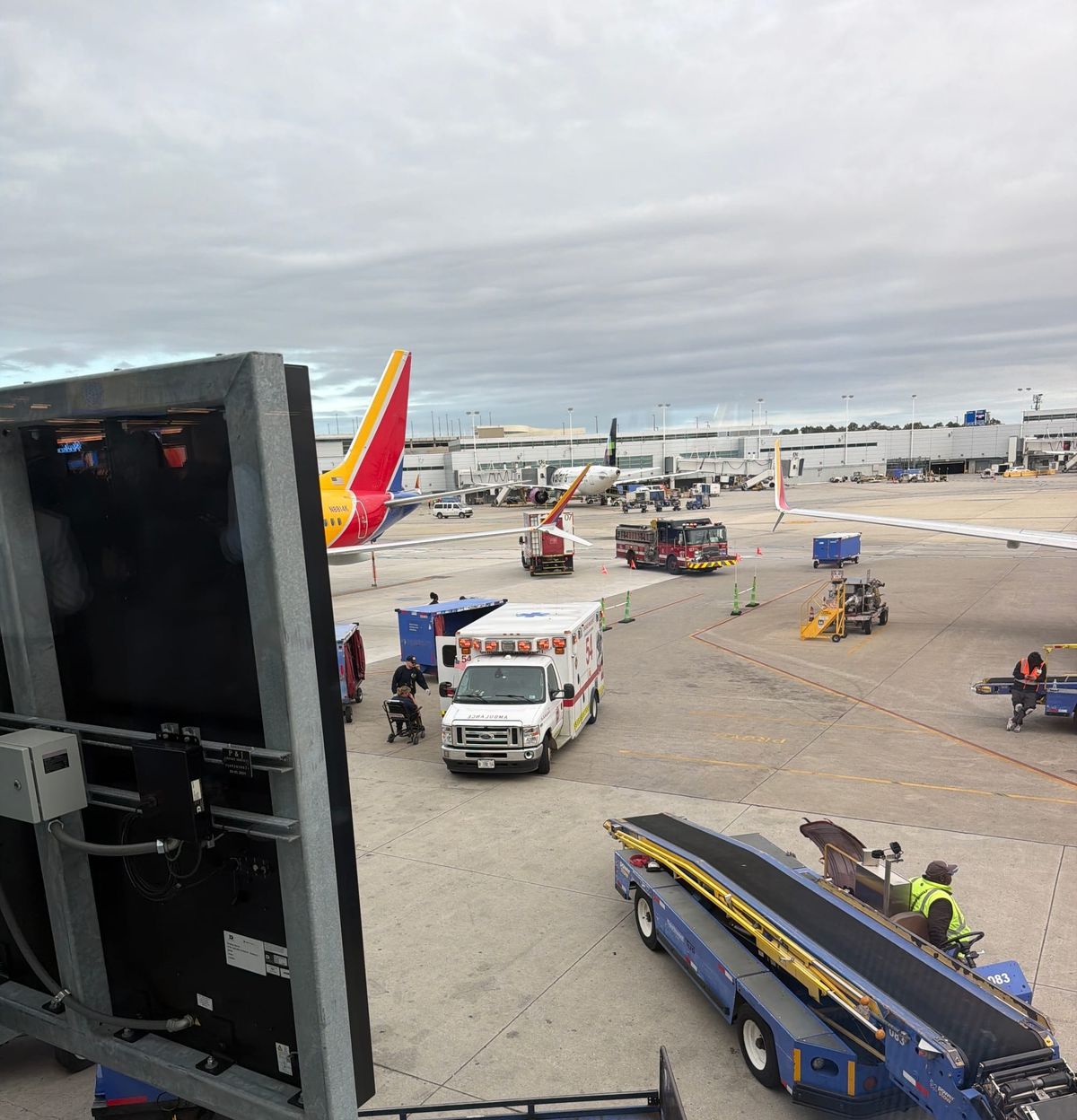
A while back, a trip to New York started unraveling at O'Hare. Flights changed, plans shifted, and I ended up bouncing between customer service counters, phone calls, and other travelers who were all trying to figure out what came next. By the end of the day, I had been in four airports, none of which were my intended destination, and flown on two different airlines. It was one heck of a day.
At one point I was talking with a United customer service representative who had clearly been dealing with frustrated passengers for hours. Later I ended up on the phone with another representative who told me she had been placed on mandatory overtime and I was her last call. By then, I was tired too. It would have been easy to make the whole day about my inconvenience.
But oddly, in those conversations, the absurdity of the situation eventually became funny. We laughed. The people helping me were having hard days too, and once I stopped seeing them as the people standing between me and the trip I wanted, I could see the people themselves.
That kept happening along the way. The problems didn't disappear, but the experience changed when the question stopped being only, "How do I get out of this?" and became, "Who is in front of me right now, and can I make this moment a little lighter for them too?"
Ignatius of Antioch's road was far harder. Roman soldiers were taking him from Syria toward Rome, where he expected to die. He had no control over the destination, and the soldiers guarding him made it worse. He called them his "ten leopards," men who only got worse when he treated them well. Yet along the way he kept writing letters to Christian communities, encouraging them, teaching them, and strengthening them for whatever they would face next. Even in the letter asking the Romans not to rescue him, he asked them to pray for the Church he was leaving behind in Syria.
He could have spent the whole journey absorbed in what was happening to him. Instead, he kept seeing the people along the road.
That's what I hear in Paul when he says that Christ will be magnified in his body, "whether by life or by death." Paul admits he longs "to depart this life and be with Christ," but says staying is "more necessary for your benefit." As long as he remained alive, there was still "fruitful labor" to be done. Ignatius lived that all the way to Rome.
We may not be able to change the road, but we can change what the road is like for the people traveling it with us.
Most of our roads won't look like Ignatius's. They'll look like delayed flights, hard workdays, family stress, illness, disappointment, and plans that refuse to cooperate. Those moments naturally pull our attention inward, toward everything that is happening to us.
Faith keeps asking us to look up.
Who is beside me? Who is tired too? Who could use patience, encouragement, humor, or just one person who refuses to make the day harder?
Ignatius couldn't change where the road was taking him, but he could still decide what he gave along the way.
So can we.
My Response for Today:
Today I'll notice who is traveling a hard road beside me and help carry some of it.
ABOUT ST. IGNATIUS OF ANTIOCH
Name: St. Ignatius of Antioch (also called Theophorus, "God-bearer")
Lived: c. AD 50, Syria – c. 107, Rome
Feast Day: October 17
Title: Bishop of Antioch; Martyr; Apostolic Father
Selected Writings: Epistle to the Romans — written from Smyrna on the way to Rome, asking the Roman Christians not to rescue him from martyrdom
Read more: Franciscan Media · New Advent: St. Ignatius of Antioch